Museum· Fatih, İstanbul
Topkapı Palace
Topkapi Sarayı
Topkapı Palace is a museum in Fatih, İstanbul; Four-courtyard palace the Ottoman sultans ran their empire from for 400 years.

Start here
Practical info
- Location
- 41.0113°N · 28.9832°E
- Web
- muze.gen.tr
KahveRota
Are you here?
Explore Topkapı Palace, spend a little time here and collect your route rewards.
Stay in a publicly accessible, safe area. Exact location samples are used only to record the visit and deleted after 48 hours.
Four-courtyard palace the Ottoman sultans ran their empire from for 400 years.
Editor's Note
Topkapı Palace, on the Sarayburnu promontory in Istanbul, served for roughly 400 years as the administrative center of the Ottoman Empire and the residence of its sultans. Built by Sultan Mehmed II in 1478, it kept this role for about 380 years until the construction of Dolmabahçe Palace. Once home to nearly 4,000 people, the palace covered about 700,000 m² at its founding and occupies around 80,000 m² today.
Read more on Wikipedia →Highlights
- Historic artifacts and collections distinctive to the region
- Exhibits that reflect local culture
Time Machine
52 19th-century photographs of this place survive.
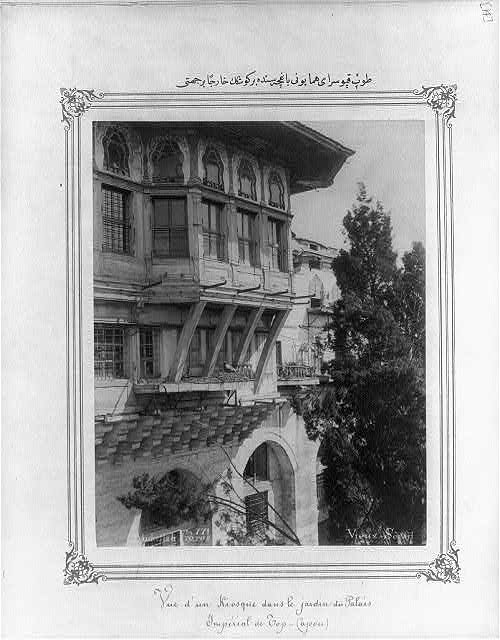
Exterior view of a pavilion in the garden of the Imperial Topkapı Sarayı (palace)

More period photographs (51)
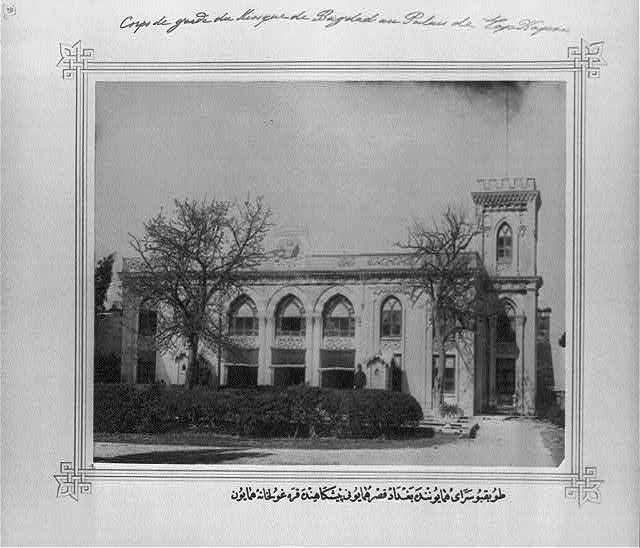
The Police Station in the front of the Imperial Baghdad Pavilion in the Imperial Topkapı Sarayı (palace)
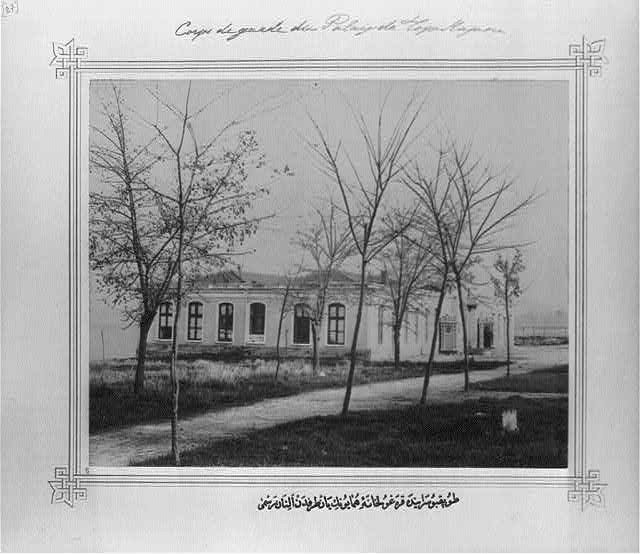
Picture from the side of the Imperial Police Station at the Topkapı Sarayı (palace)
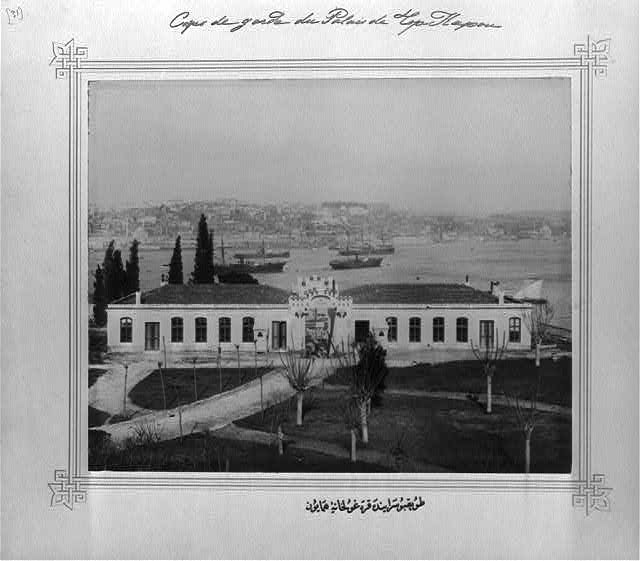
The Imperial Police Station in the Topkapı Sarayı (palace)
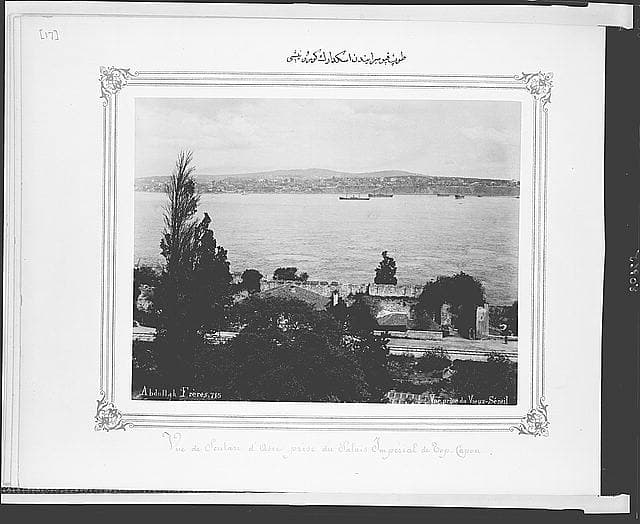
View of Üsküdar from the Topkapı Sarayı (palace)
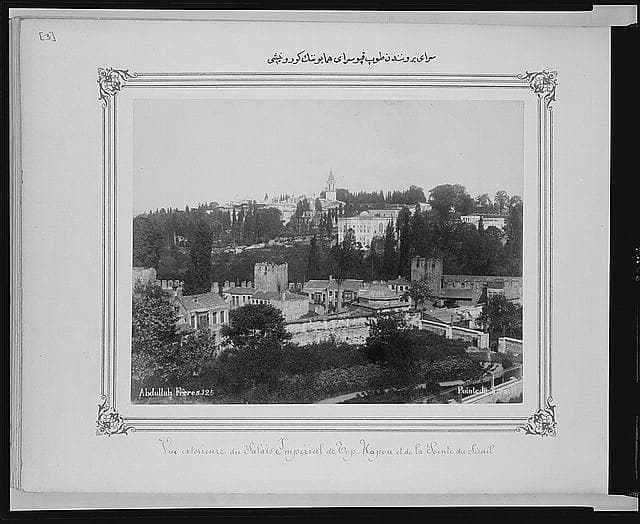
View of Topkapı Sarayı (palace) from Sarayburnu
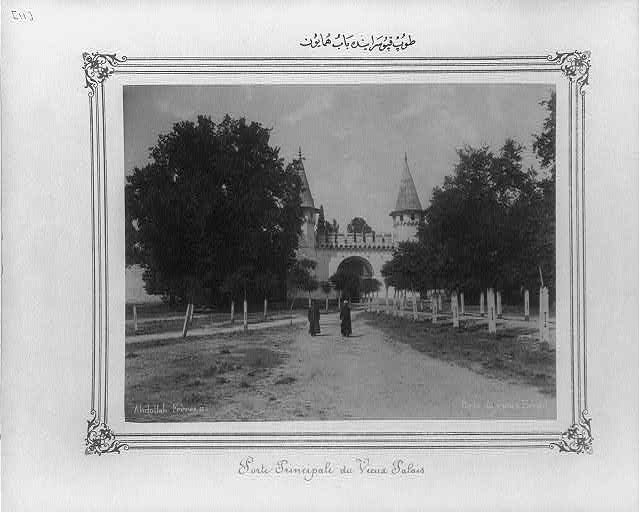
Imperial gate of the Topkapı Sarayı (palace)
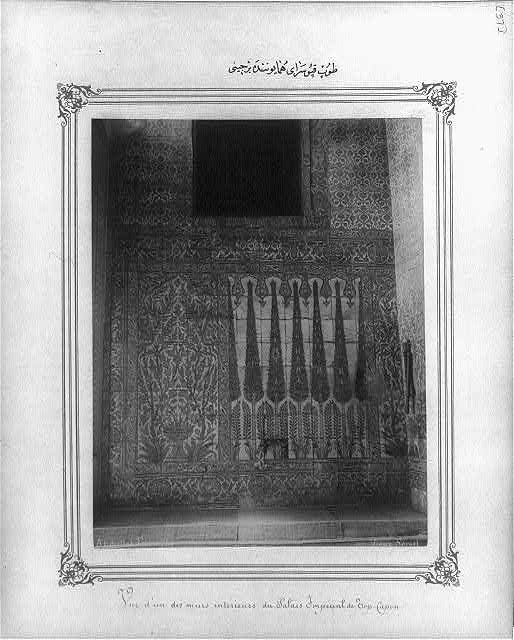
Tile in the Imperial Topkapı Sarayı (palace)
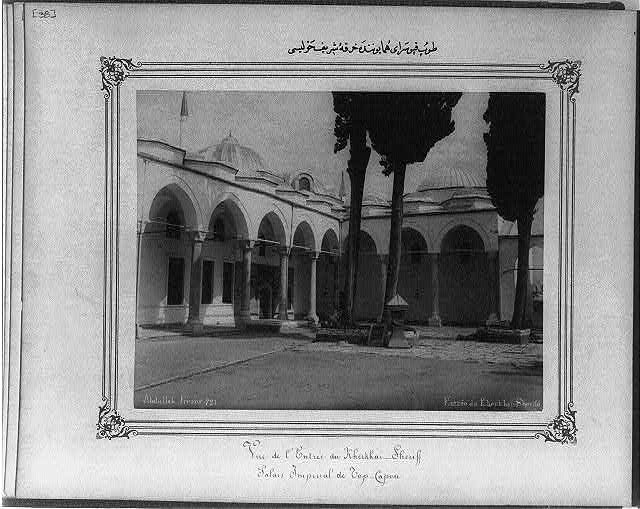
The courtyard of Hırka-yi Şerif in the Imperial Topkapı Sarayı (palace)
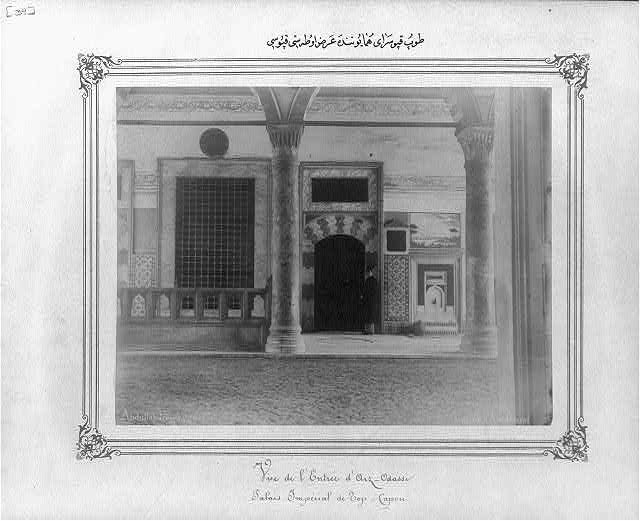
The entry of the reception chamber in the Imperial Topkapı Sarayı (palace)
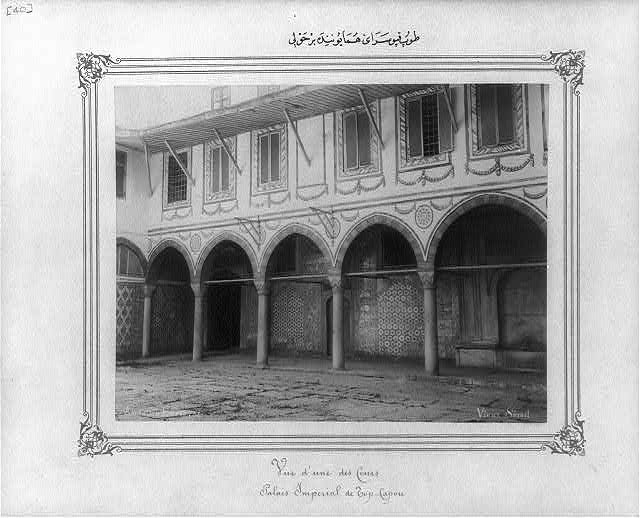
A courtyard in Topkapı Sarayı (palace)
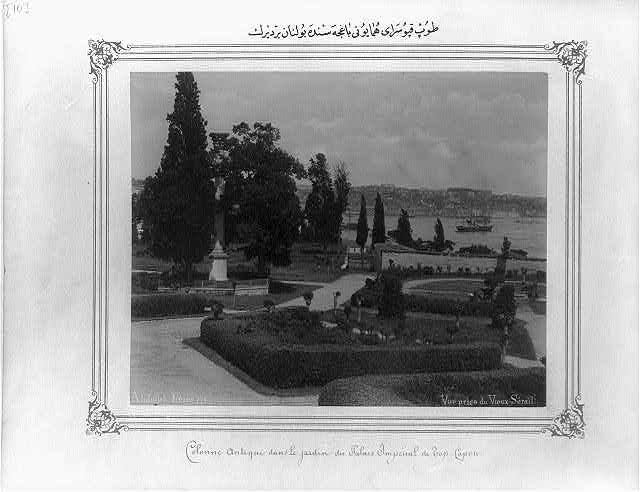
A column located in the garden of the Topkapı Sarayı (palace)
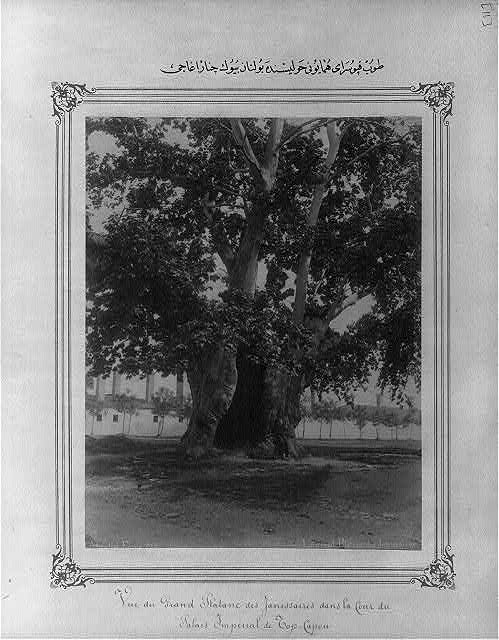
The big plane tree found in the yard of the Topkapı Sarayı (palace)
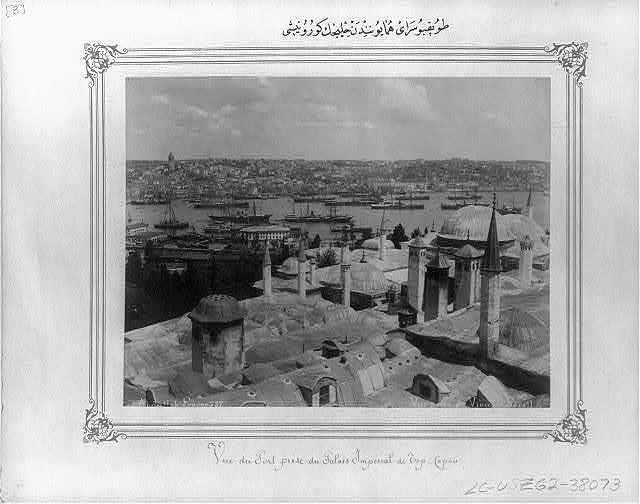
View of the Golden Horn from the Topkapı Sarayı (palace)
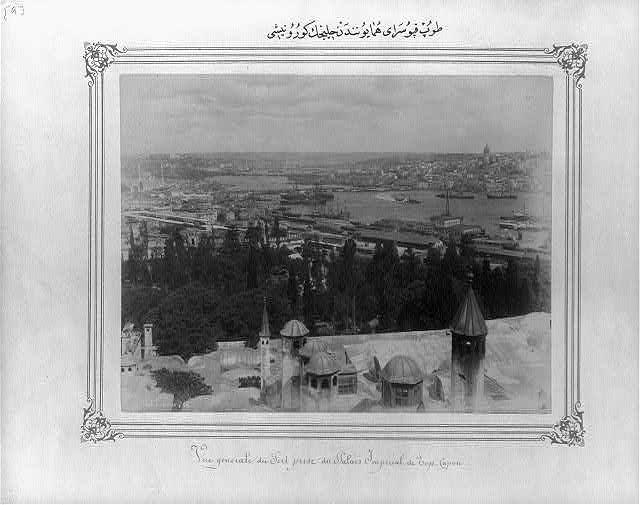
View of the Golden Horn from the Topkapı Sarayı (palace)
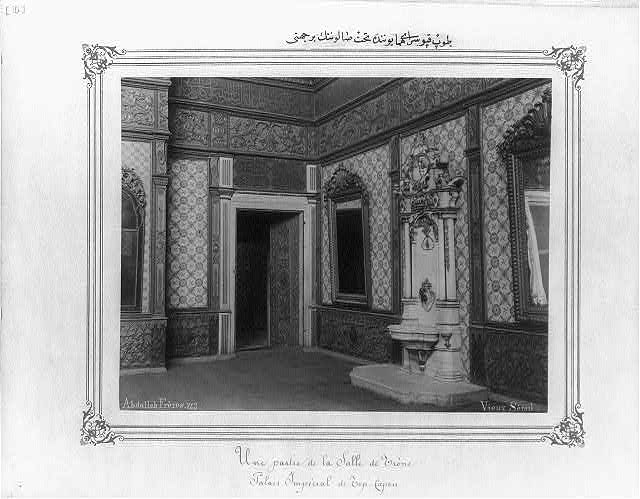
One corner of the throne room in the Imperial Topkapı Sarayı (palace)
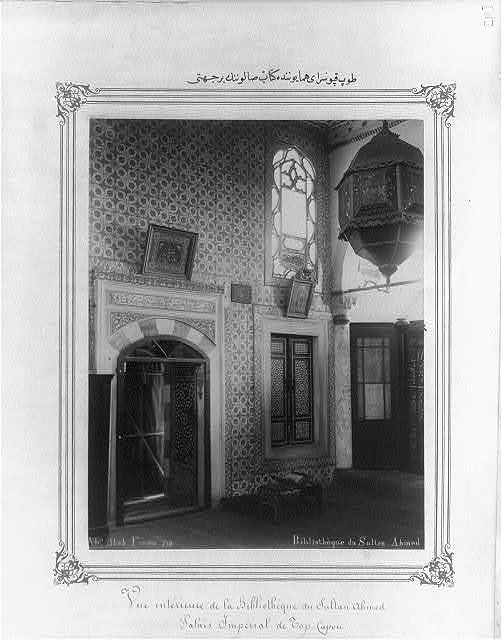
One corner of the book room in the Imperial Topkapı Sarayı (palace)
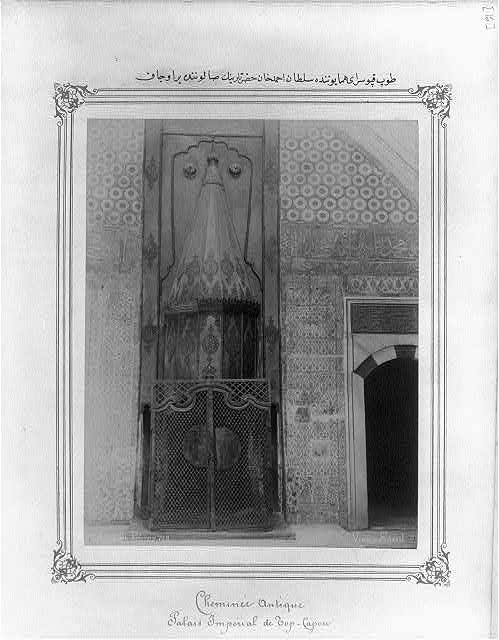
A hearth in the hall of Sultan Ahmed (III) in the Imperial Topkapı Sarayı (palace)
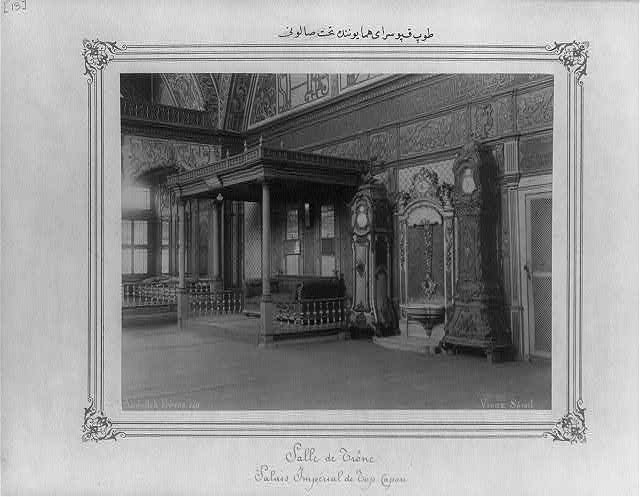
Throne room in the Imperial Topkapı Sarayı (palace)
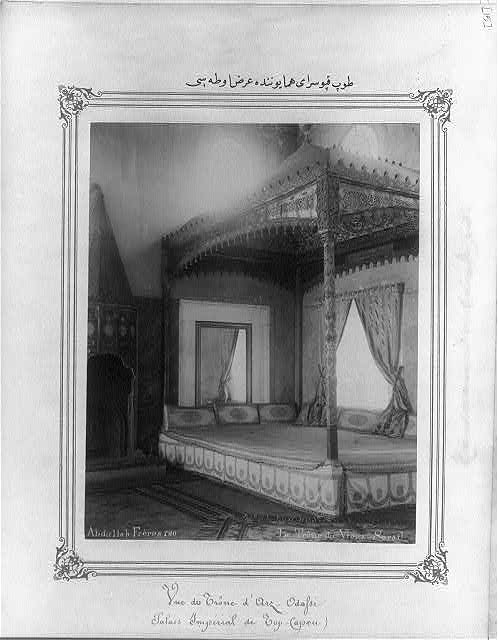
Audience chamber in the Imperial Topkapı Sarayı (palace)
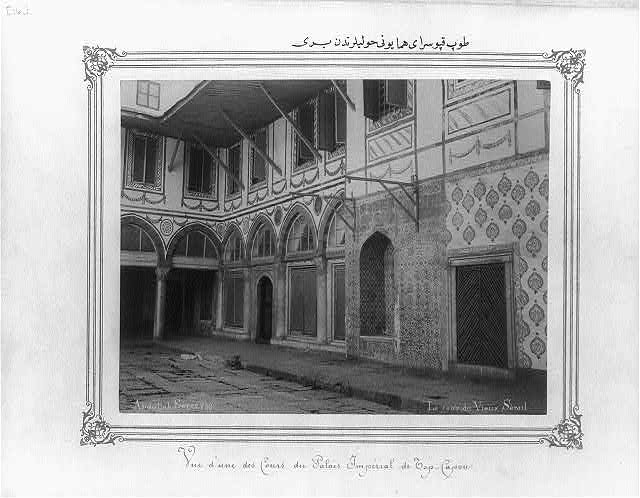
One of the courtyards in the Imperial Topkapı Sarayı (palace)
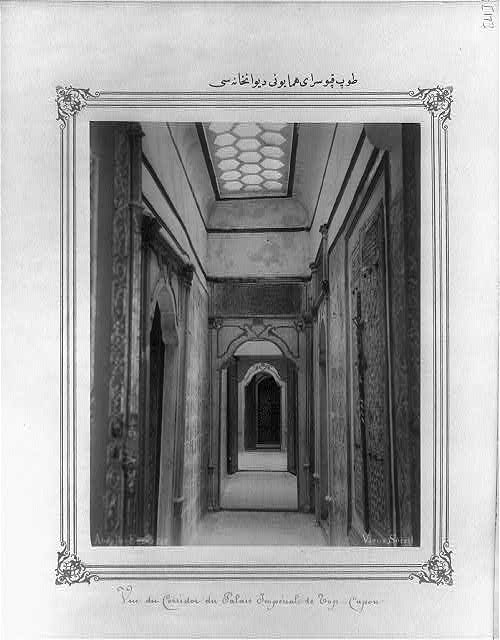
The council chamber of the Imperial Topkapı Sarayı (palace)
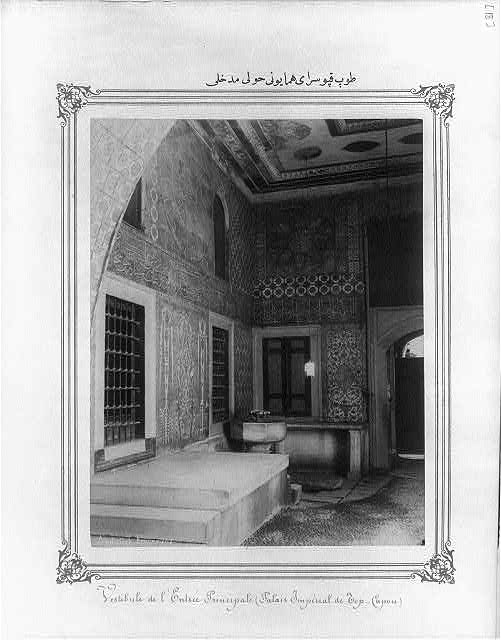
The entrance to the courtyard of the Imperial Topkapı Sarayı (palace)
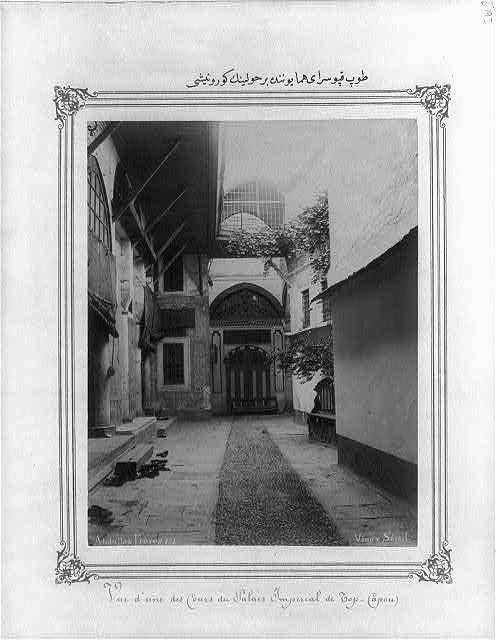
View of a courtyard in the Imperial Topkapı Sarayı (palace)
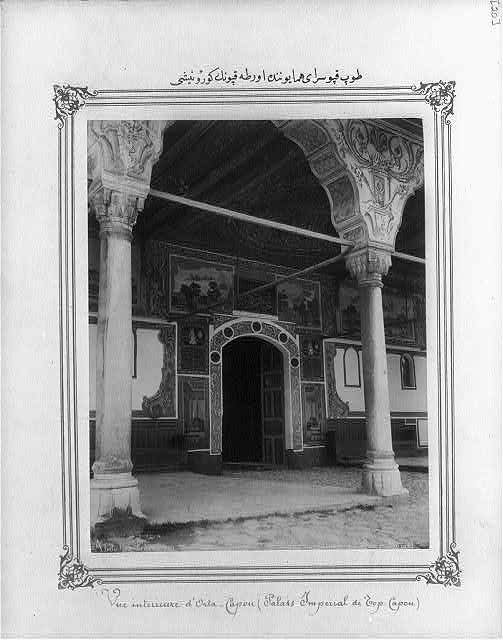
View of the Orta Kapısı (Middle Gate) in the Imperial Topkapı Sarayı (palace)
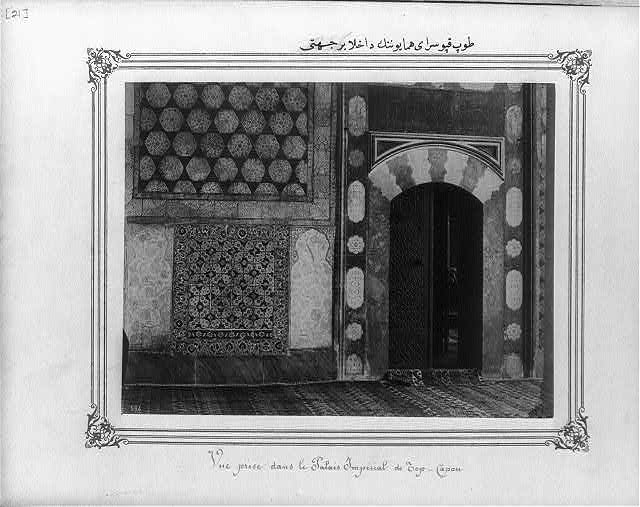
Interior view of the Imperial Topkapı Sarayı (palace)
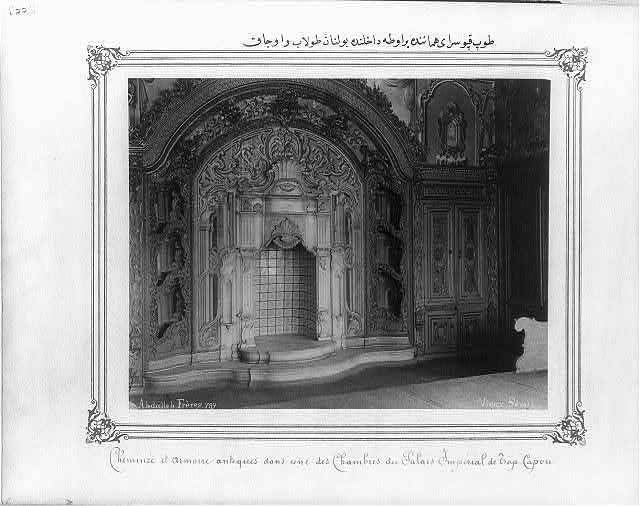
A wardrobe and hearth in a room in the Imperial Topkapı Sarayı (palace)
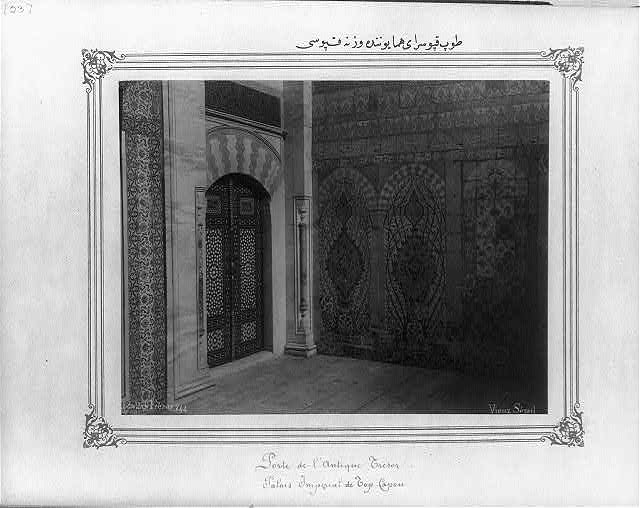
Vezne Kapısı (Treasury Gate) in the Imperial Topkapı Sarayı (palace)
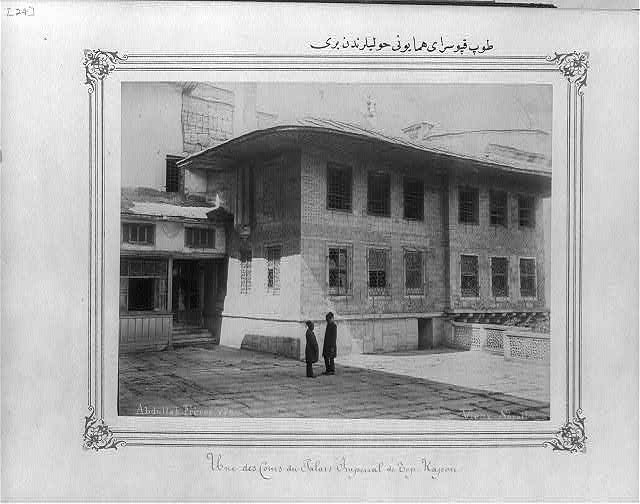
One of the courtyards in the Imperial Topkapı Sarayı (palace)
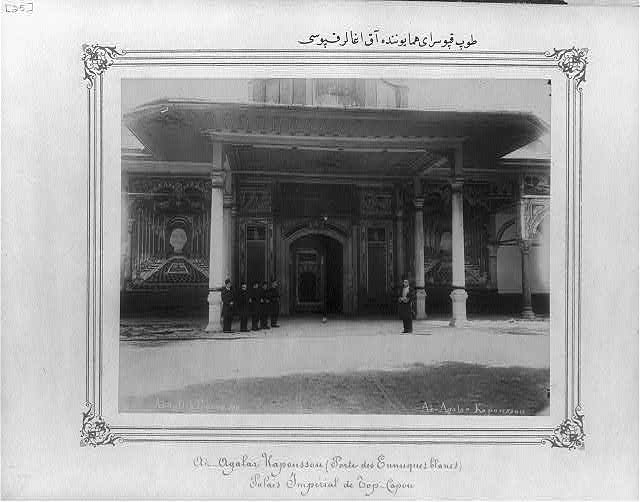
Akağalar Kapısı (White Eunuch's Gate) in the Imperial Topkapı Sarayı (palace)
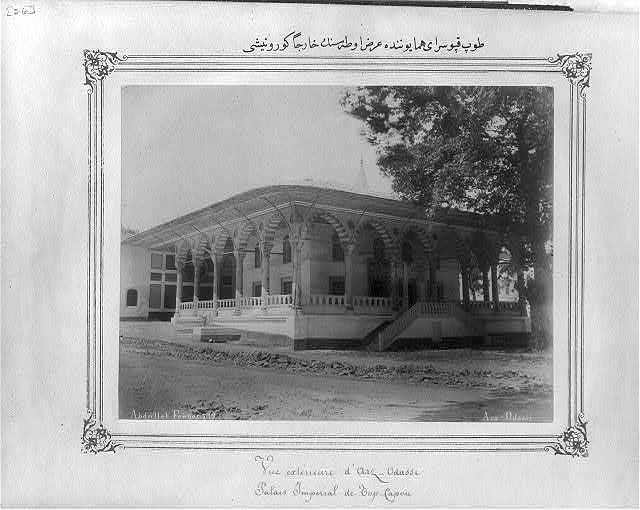
Exterior view of the audience chamber in the Imperial Topkapı Sarayı (palace)
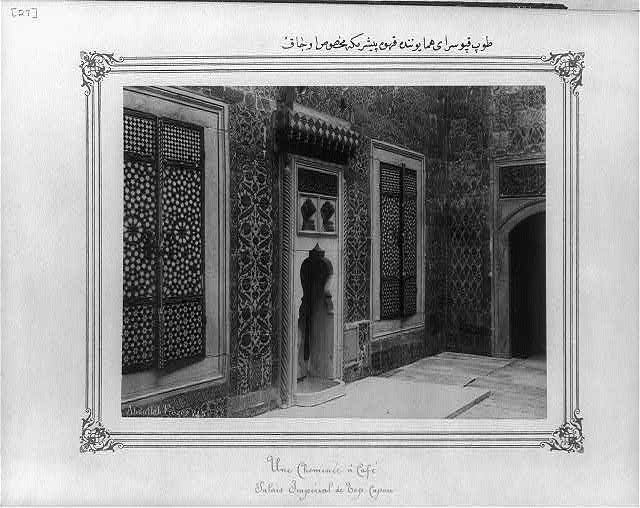
Special oven for cooking coffee in Topkapı Sarayı (palace)
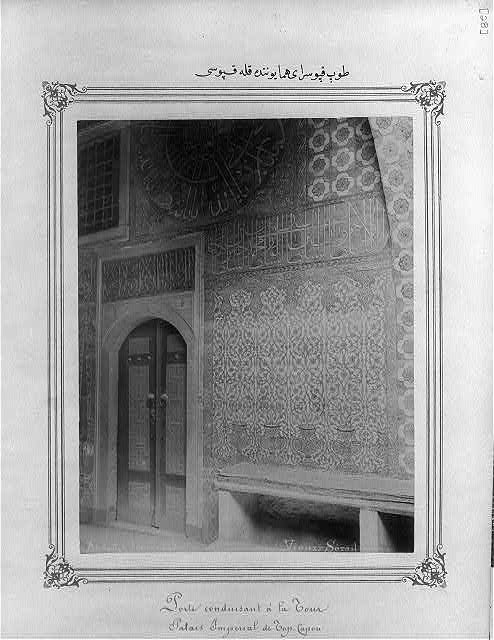
Kule Kapısı (Tower Gate) in the Imperial Topkapı Sarayı (palace)
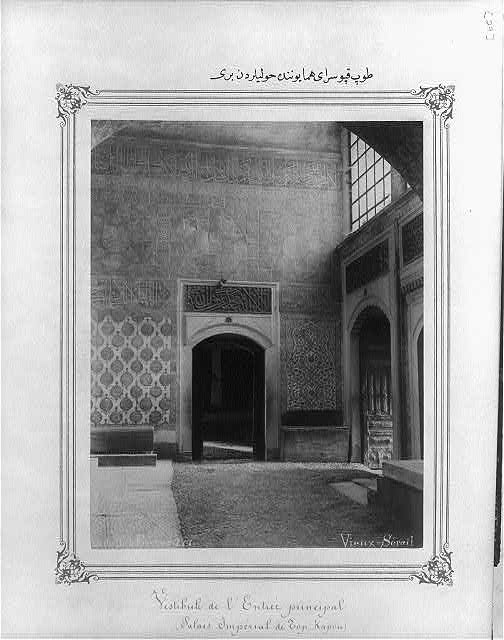
One of the courtyards in the Imperial Topkapı Sarayı (palace)
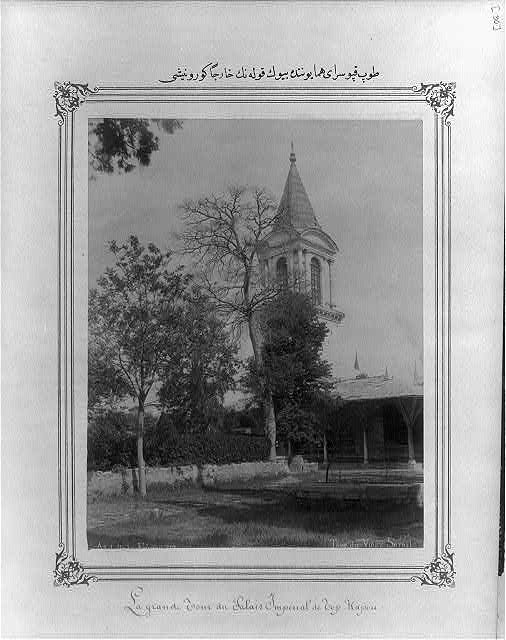
Exterior view of the great tower in the Imperial Topkapı Sarayı (palace)
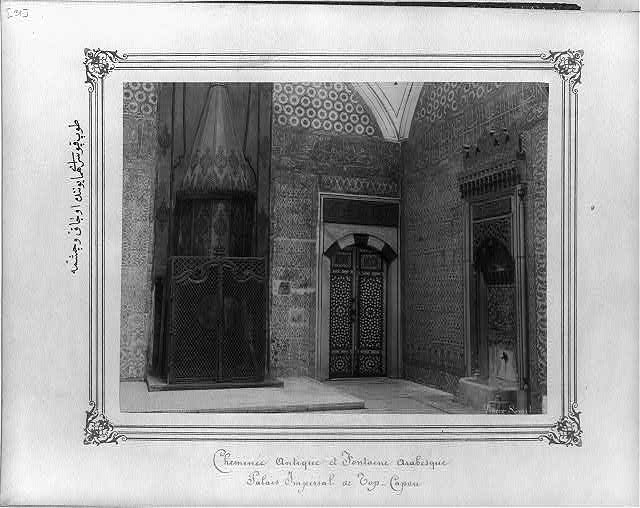
The hearth and a fountain in the Imperial Topkapı Sarayı (palace)
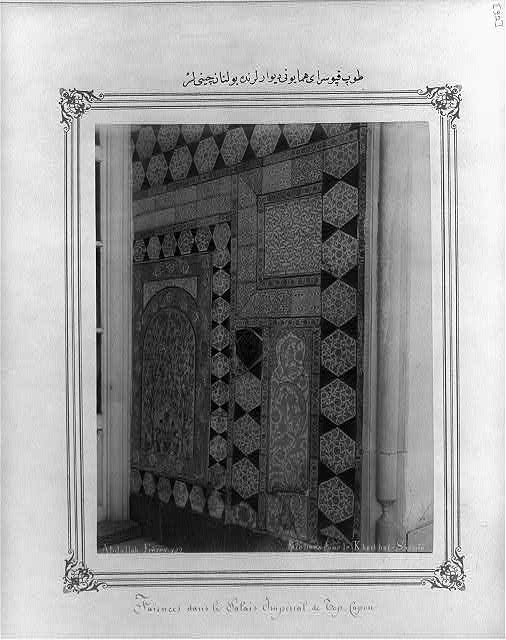
Tiled walls in the Imperial Topkapı Sarayı (palace)
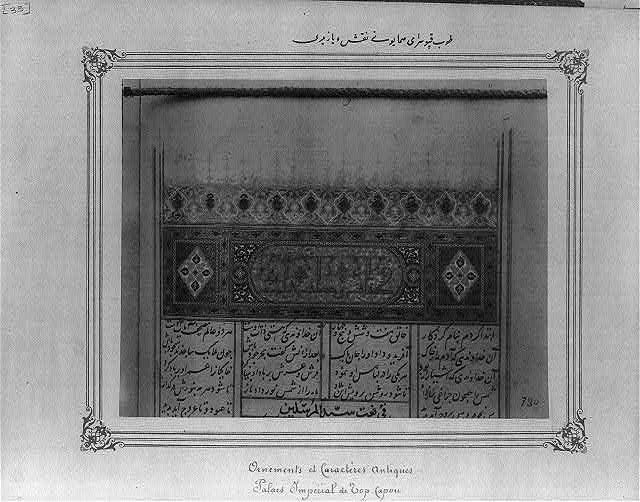
Decoration and calligraphy in the Imperial Topkapı Sarayı (palace)
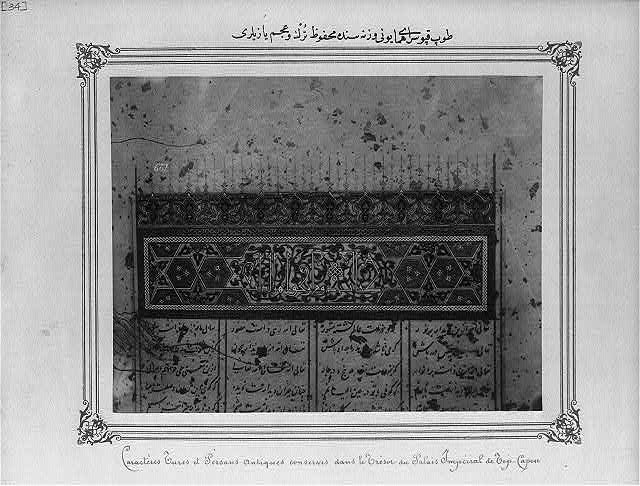
Persian and Turkish calligraphy kept in the Treasury of the Imperial Topkapı Sarayı (palace)
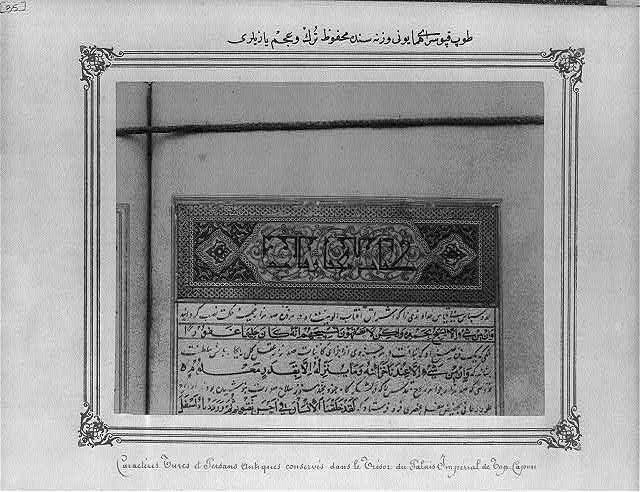
Persian and Turkish calligraphy kept in the Treasury of the Imperial Topkapı Sarayı (palace)
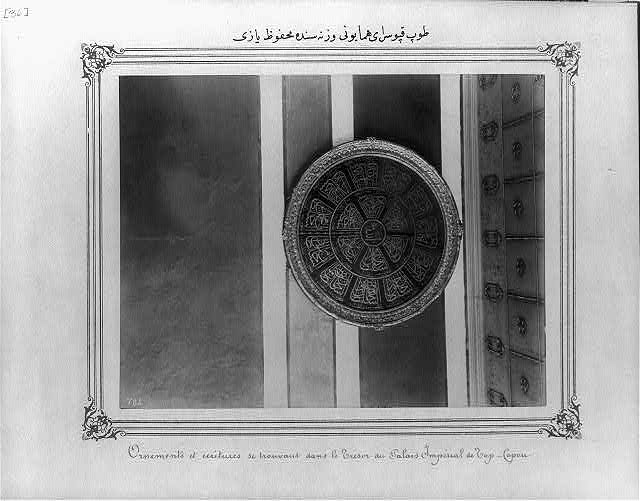
Calligraphy kept in the Treasury of the Imperial Topkapı Sarayı (palace)
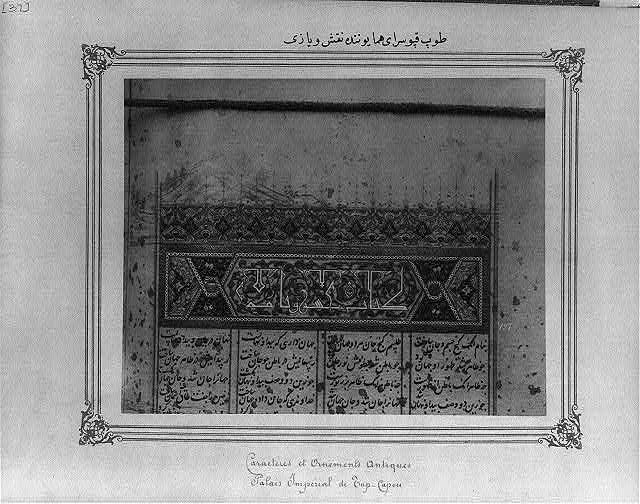
Decoration and calligraphy in the Treasury of the Imperial Topkapı Sarayı (palace)
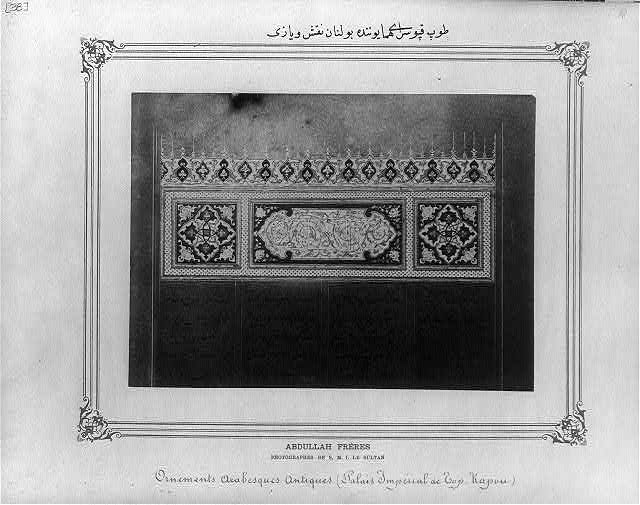
Decoration and calligraphy in the Treasury of the Imperial Topkapı Sarayı (palace)
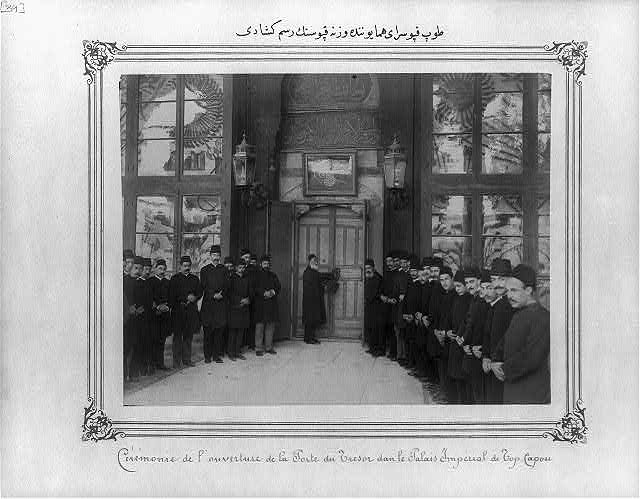
The opening ceremony of the Vezne Kapısı (Treasury Gate) in the Imperial Topkapı Sarayı (palace)
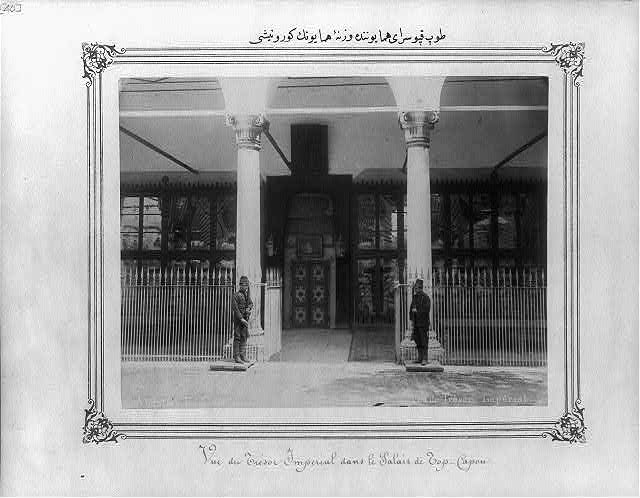
View of the Imperial Treasury in the Imperial Topkapı Sarayı (palace)
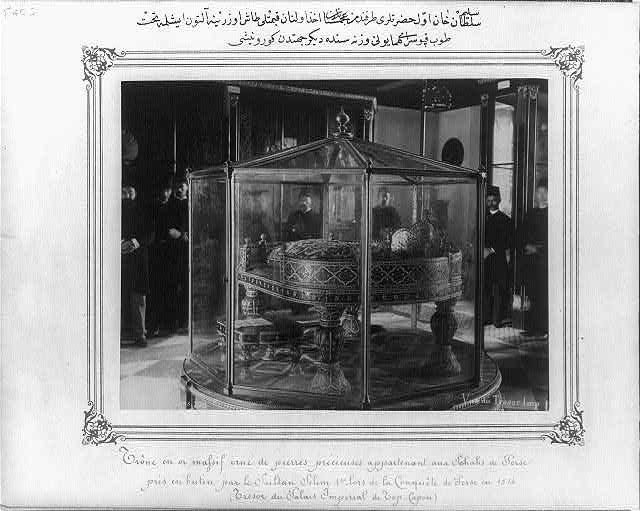
Another view of the throne decorated with gold and precious stones, which Sultan Selim I captured in Iran, in the Treasury of the Imperial Topkapı Sarayı (palace)
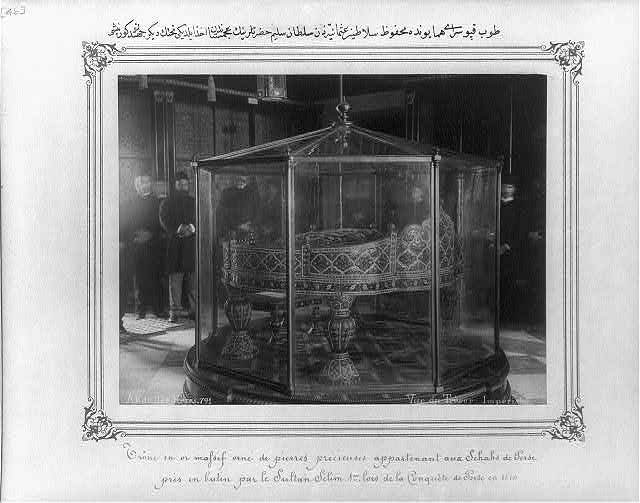
Another view of the throne which Sultan Selim I captured in Iran, and kept in the Treasury of the Imperial Topkapı Sarayı (palace)
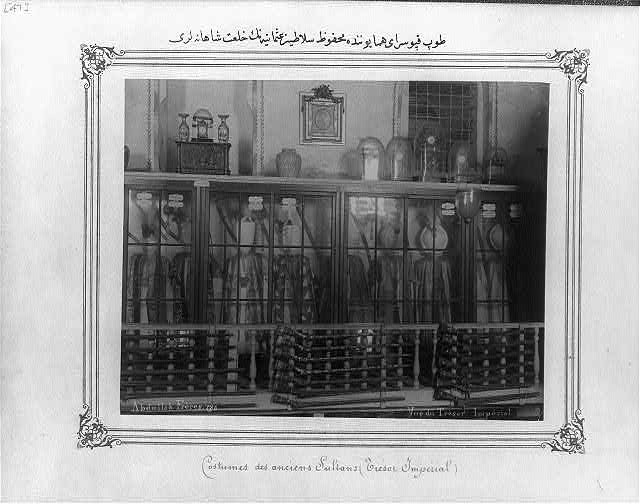
The royal costumes of the Ottoman Sultans kept in the Imperial Topkapı Sarayı (palace)
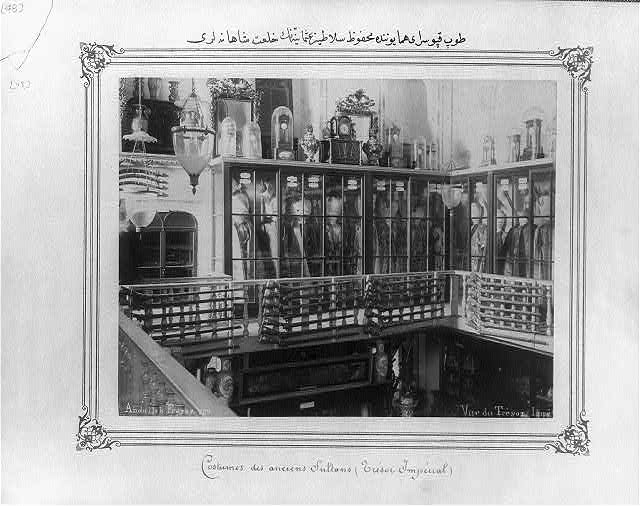
The royal costumes of the Ottoman Sultans kept in the Imperial Topkapı Sarayı (palace)
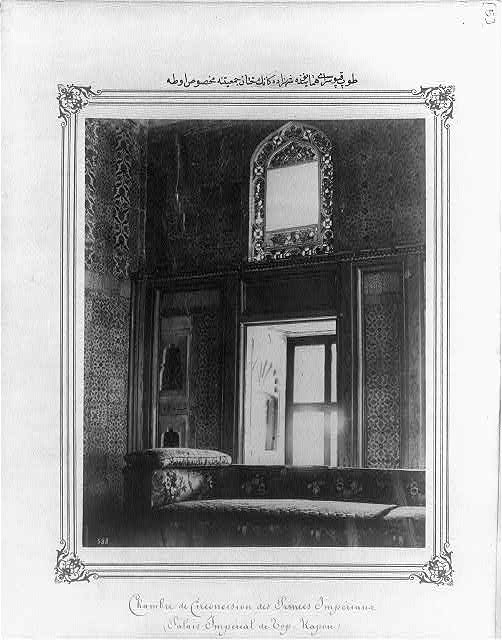
The chamber for the circumcision of the princes, in the Imperial Topkapı Sarayı (palace)
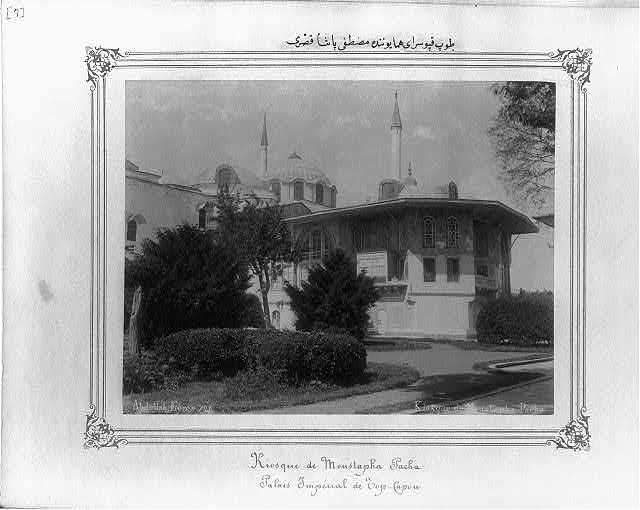
The pavilion of Mustafa Paşa in the Imperial Topkapı Sarayı (palace)
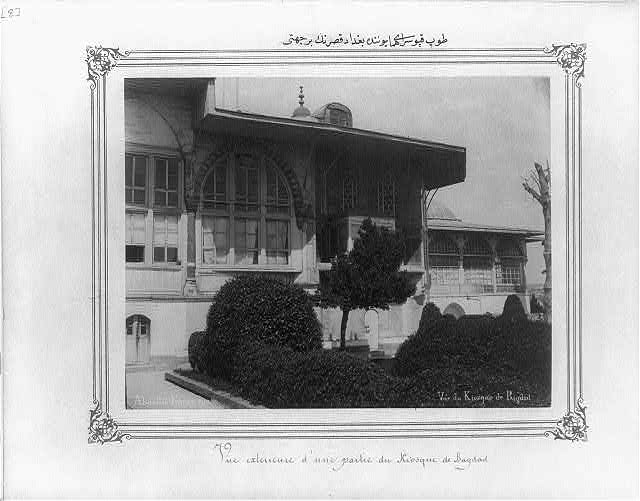
One side of the Baghdad Pavilion in the Imperial Topkapı Sarayı (palace)
Source: Library of Congress, II. Abdülhamid Koleksiyonu. No known restrictions on publication.
Story
Mehmed II started Topkapı in 1465; thirty sultans ran the empire from its four courtyards over the next 400 years. Each courtyard moved you closer to power: the first held parade grounds and a hospital, the second the Imperial Council, the third the Sultan's private rooms, the fourth a garden of pavilions. The harem alone has 400 rooms. Even the keys here told a story — every door had its own.
Did you know
- The Imperial Council met behind a gold-grilled lattice — the sultan listened in unseen.
- Topkapı's relics include the staff of Moses, the Prophet's mantle, and a tooth said to be his.
- The Treasury holds the world's seventh-largest diamond, the Spoonmaker's, set in 49 brilliants.
Reviews
Be the first to leave a word.
A rating and a few sentences. It helps the next visitor.
Help improve this page